

Mold Allergies in Spring? It Might Be More Than Pollen
Spring allergy season is a familiar problem for many homeowners in Beaumont. When the wind kicks up and pollen levels rise, sneezing and itchy eyes usually follow.
But what if the symptoms never seem to go away, even when you are indoors?
In many homes, the real cause may be indoor mold growth. Mold exposure can create allergy symptoms that look almost identical to pollen allergies. Without proper mold testing and remediation, the problem often continues to worsen.
Why Spring Conditions in Beaumont Can Trigger Mold Growth
Beaumont’s seasonal weather creates ideal conditions for mold inside homes. Spring often brings fluctuating temperatures, occasional rain, and higher humidity levels. When moisture finds its way into walls, attics, or crawlspaces, mold can start growing quickly.
Common causes of indoor moisture in local homes include:
• Roof leaks after spring storms
• Poor attic ventilation
• Plumbing leaks inside walls
• Condensation from HVAC systems
• Flooding or water intrusion during heavy rain
Because mold often grows behind drywall or under flooring, many homeowners do not realize it is there until allergy symptoms appear.
This is why professional mold testing and remediation are so important when unexplained allergies begin.
Mold Allergy Symptoms That Look Like Seasonal Allergies
Indoor mold exposure can trigger many of the same symptoms people associate with spring pollen.
If symptoms improve when you leave the house but return when you come home, mold may be the cause.
Common mold allergy symptoms include:
• Persistent sneezing
• Runny or stuffy nose
• Itchy eyes or throat
• Headaches
• Skin irritation
• Chronic coughing
• Fatigue or brain fog
Some people also experience sinus infections or respiratory irritation when exposed to mold for long periods.
If these symptoms continue for weeks or worsen indoors, it may be time to investigate further.
Hidden Mold Can Grow in Places You Cannot See
Many mold problems start in areas homeowners rarely inspect. Mold spores only need moisture and organic material to grow, which means drywall, insulation, wood framing, and carpet can all become breeding grounds.
Common hidden mold locations include:
• Inside walls after plumbing leaks
• Under bathroom or kitchen cabinets
• Behind showers and tubs
• Beneath the flooring after water damage
• Inside HVAC systems and ductwork
• Attics with poor ventilation
A musty smell is often the first sign that something is wrong, but sometimes there is no odor at all.
Professional mold testing and remediation can locate hidden contamination before it spreads further through the home.
Health Risks of Ignoring Indoor Mold
Mold exposure is not just uncomfortable. Over time, it can lead to more serious health concerns.
Sensitive individuals such as children, seniors, and people with asthma may experience stronger reactions.
Long-term exposure can lead to:
• Chronic respiratory irritation
• Increased asthma attacks
• Sinus infections
• Persistent fatigue
• Worsening allergy symptoms
For homeowners in Beaumont, addressing mold early is much easier and far less expensive than waiting until contamination spreads throughout the home.
When to Schedule Mold Testing
Many homeowners assume they would see mold if it were present. Unfortunately, that is rarely the case.
Consider scheduling mold testing and remediation if you notice:
• Allergy symptoms that worsen at home
• A musty odor that will not go away
• Recent water damage or leaks
• Visible mold spots on walls or ceilings
• Past flooding or plumbing issues
Professional testing can confirm whether mold spores are present and identify where the contamination is located.
What Professional Mold Remediation Involves
Removing mold properly requires more than just cleaning surfaces with household products. If the underlying moisture problem is not fixed, mold will return.
A professional mold remediation process typically includes:
• Detailed mold testing and inspection
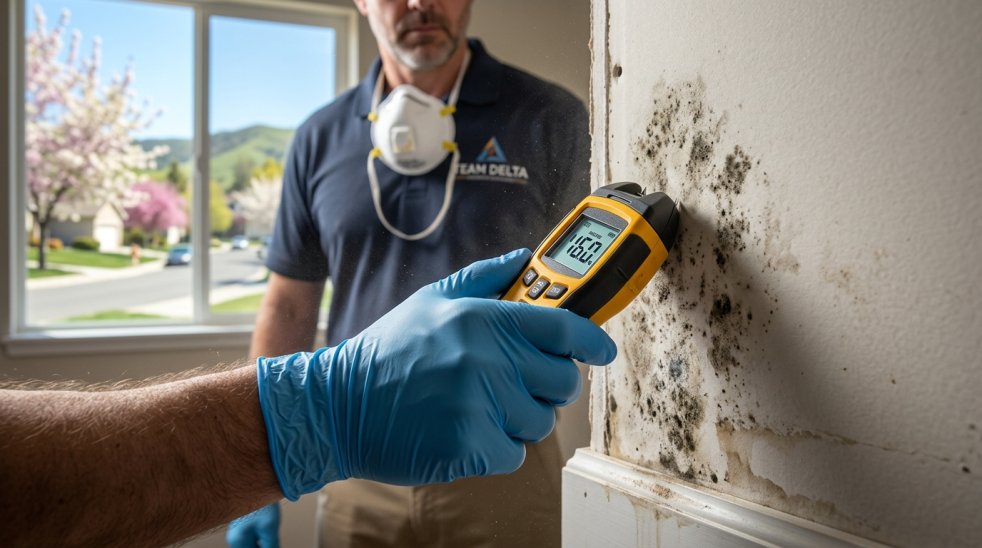
• Moisture detection inside walls and flooring
• Containment to prevent spore spread
• Safe removal of contaminated materials
• Air filtration and cleaning
• Moisture source repair to prevent regrowth
The goal is not only to remove visible mold but to eliminate the conditions that allow it to grow.
Protect Your Home and Your Health This Spring
If spring allergies feel worse than usual, pollen might not be the only cause. Indoor mold is a hidden issue in many Beaumont homes, especially after seasonal moisture or past water damage.
The sooner the problem is identified, the easier it is to fix.
If you suspect mold in your home, schedule professional mold testing and remediation with Team Delta. Our team helps homeowners identify hidden mold, remove contamination safely, and restore healthy indoor air.
Call (951) 400-0830 today to schedule an inspection or request a quote. Your home and your health are worth protecting.

-Logo.wine.svg)